A selection of relevant projects from the last couple of years, spanning experimental non-planar FDM printing, proof-of-concept work in the medical field, and metal AM for motorsport. Prepared as an application for the LightSpray Production Intern role at On.
I have been curious about how things work, how they are made, and how they could be made better for as long as I can remember. That curiosity is what led me to mechanical engineering, and it is what kept me engaged throughout my studies at ETH, where I specialised in product development, computer aided engineering, and additive manufacturing.
My internship at EFalke, a startup developing electric boats, put that foundation into practice. In a small team working on new technology, every decision had to account for manufacturability and scalability from the start. What I took away is that good engineering does not stop at solving the technical problem. It means making the solution repeatable and ready for the people who come after you.
That is exactly why the possibility of working on the LightSpray technology excites me. Helping refine a production method that cuts CO₂ emissions by 75% and creates an upper in just three minutes is the kind of work I want to be doing. I want to be the person on the team who gets under the hood, spots what is slowing things down, and finds practical improvements, whether that means supporting the data cockpit, helping refine SOPs, or contributing to the rollout of new production workflows.
The timing feels right too. Having already experienced what it is like to work in a small startup, I now want to see how things work at a larger, international company, and On's internship programme seems like exactly the right bridge. The way it was described at the CareerFairy livestream, and the people I have seen representing On, made it clear this is a proper programme for growth on both sides: there is a real onboarding, meaningful projects with real responsibility from early on, and a whole cohort of interns starting at the same time. Being able to share that experience with people joining from different parts of the company sounds like a great way to feel part of the team from day one. I would love the chance to contribute to the team and I am confident I would be a great fit.
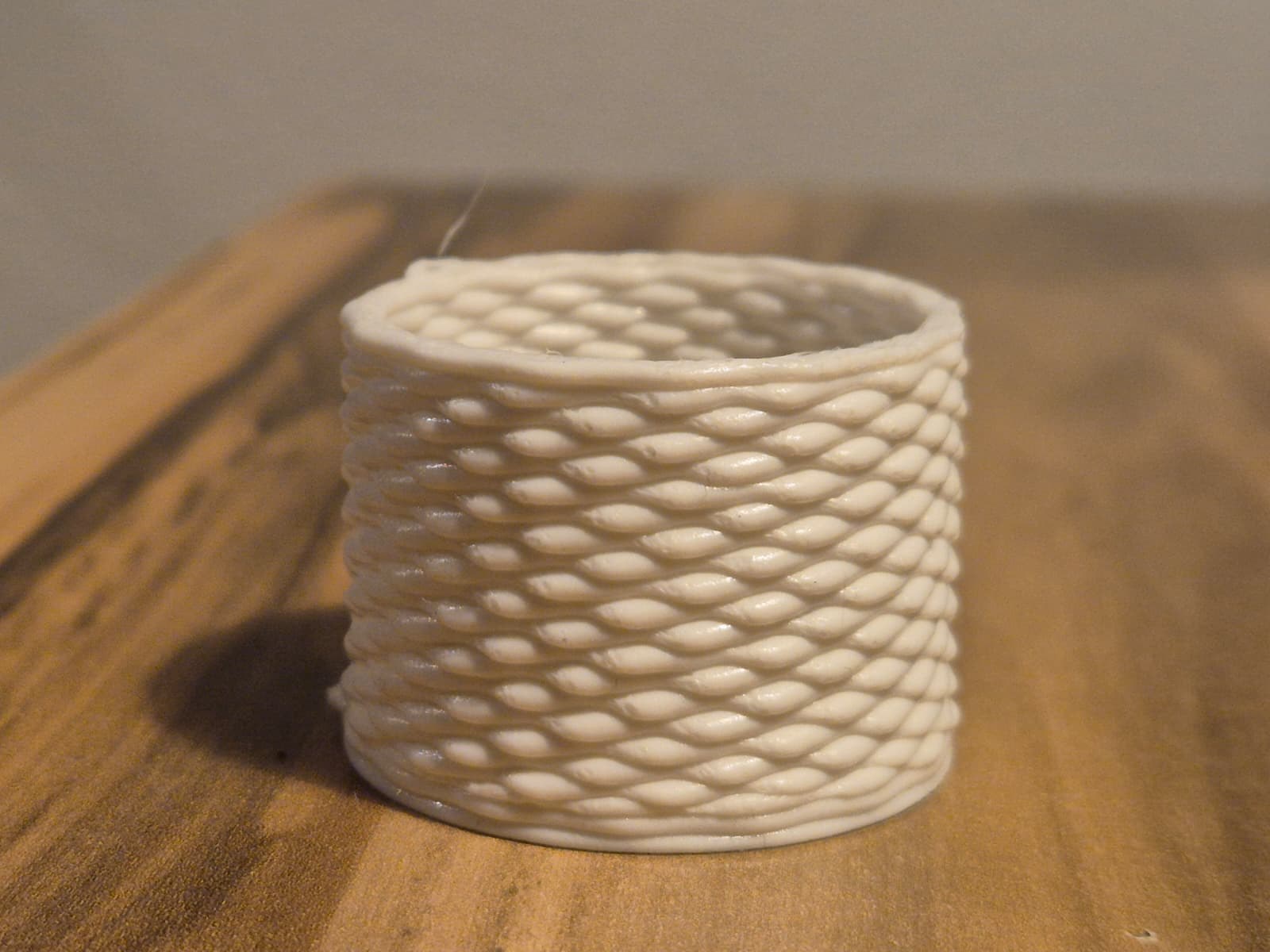
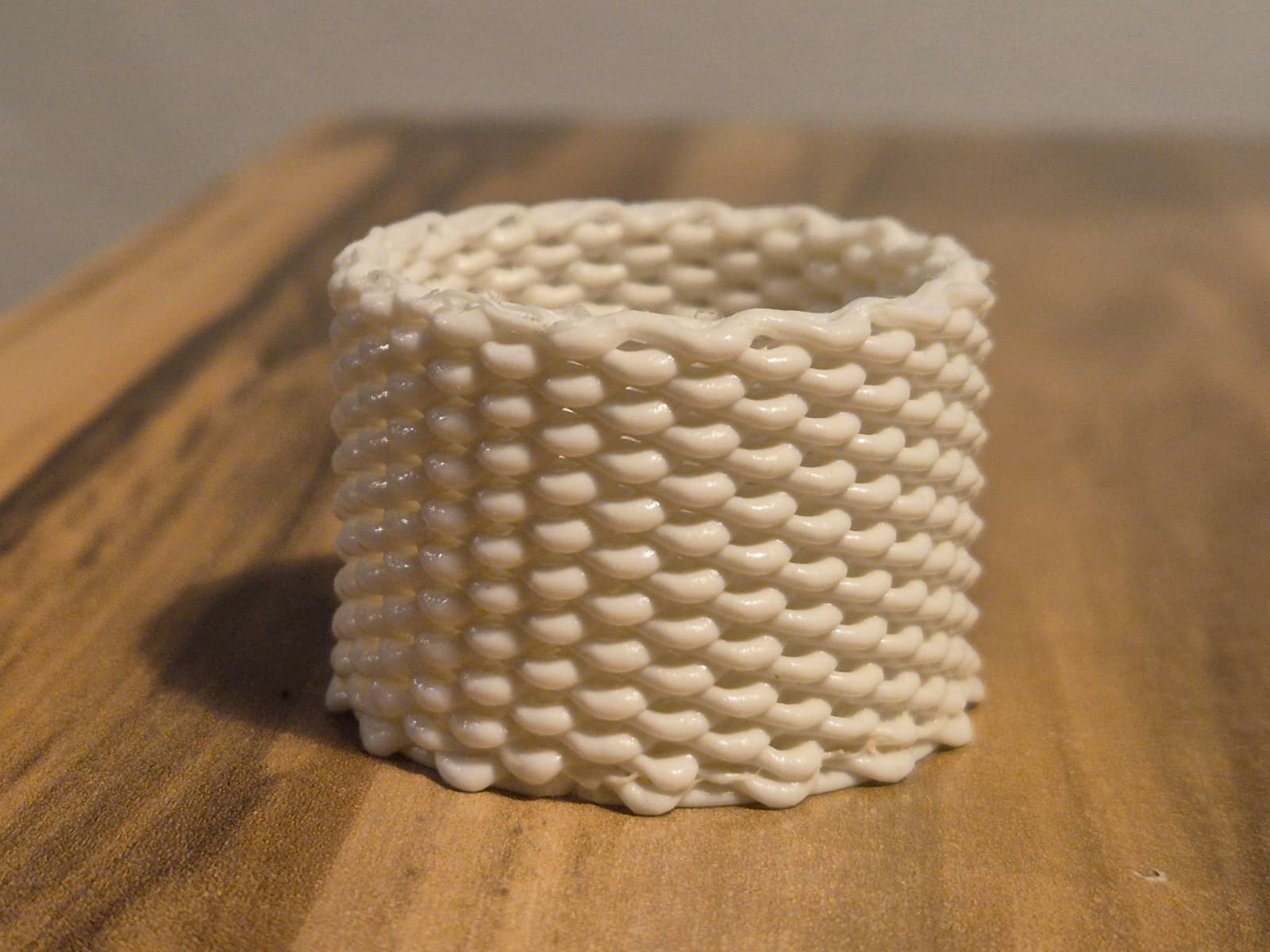
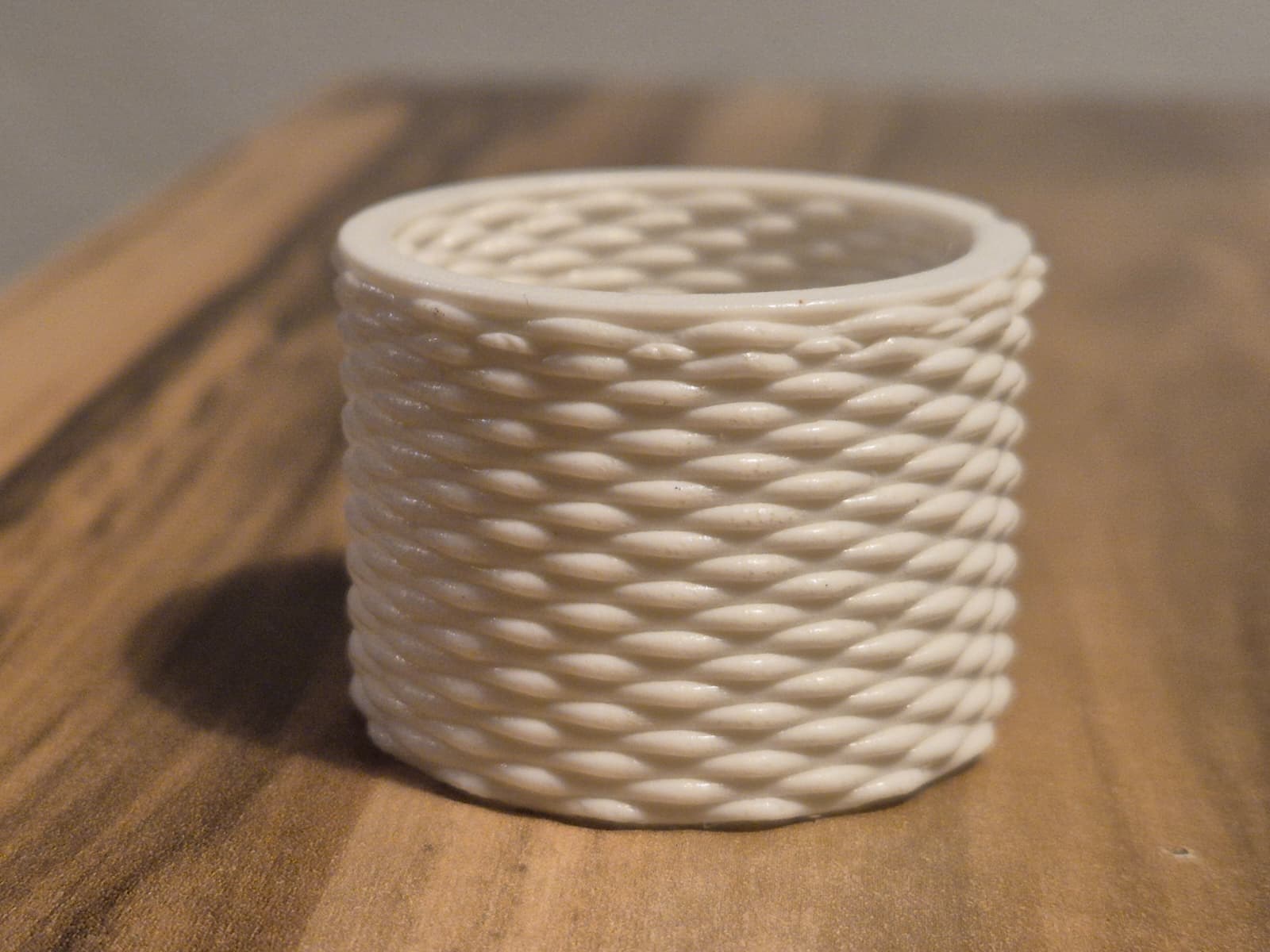
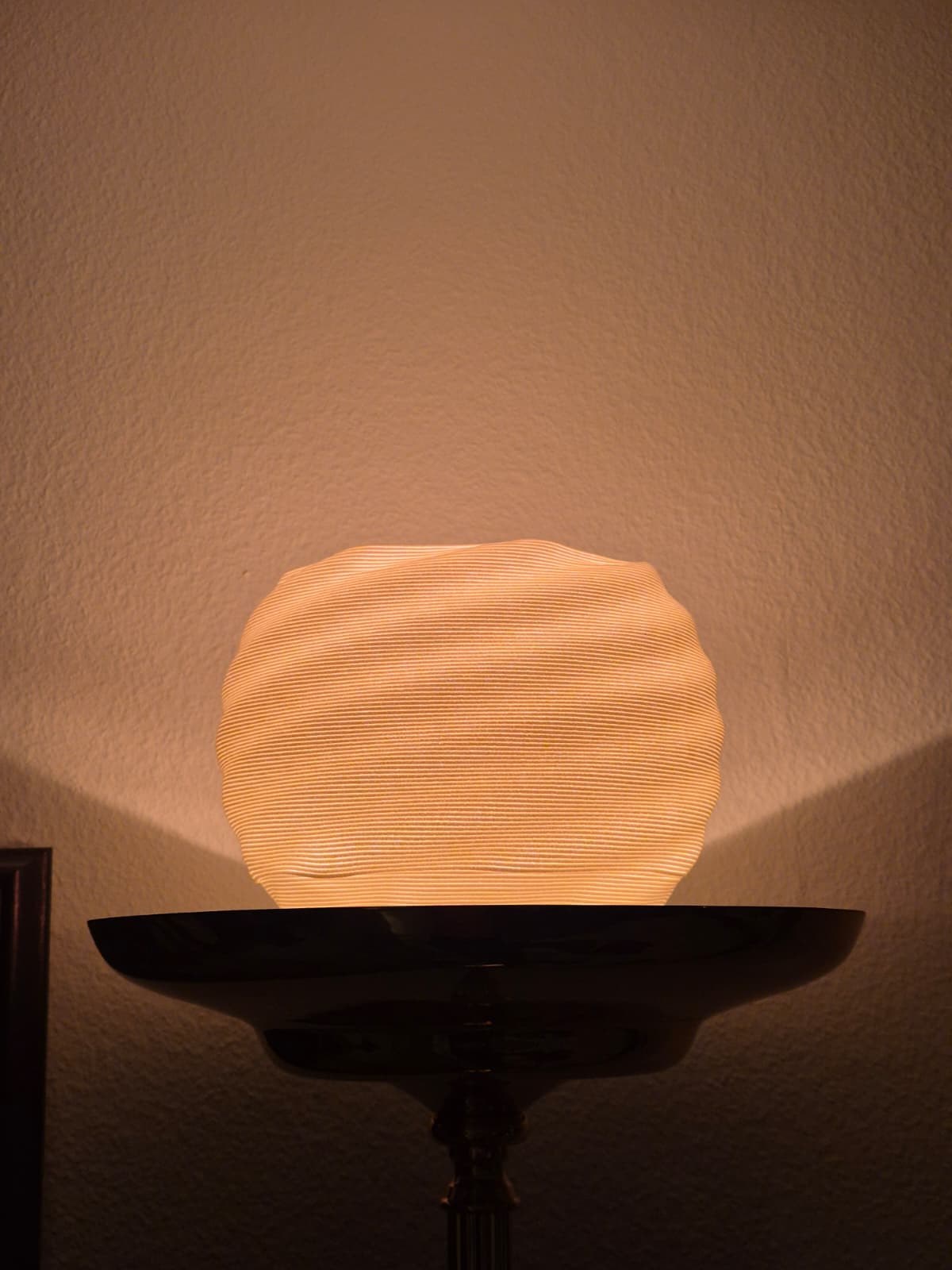
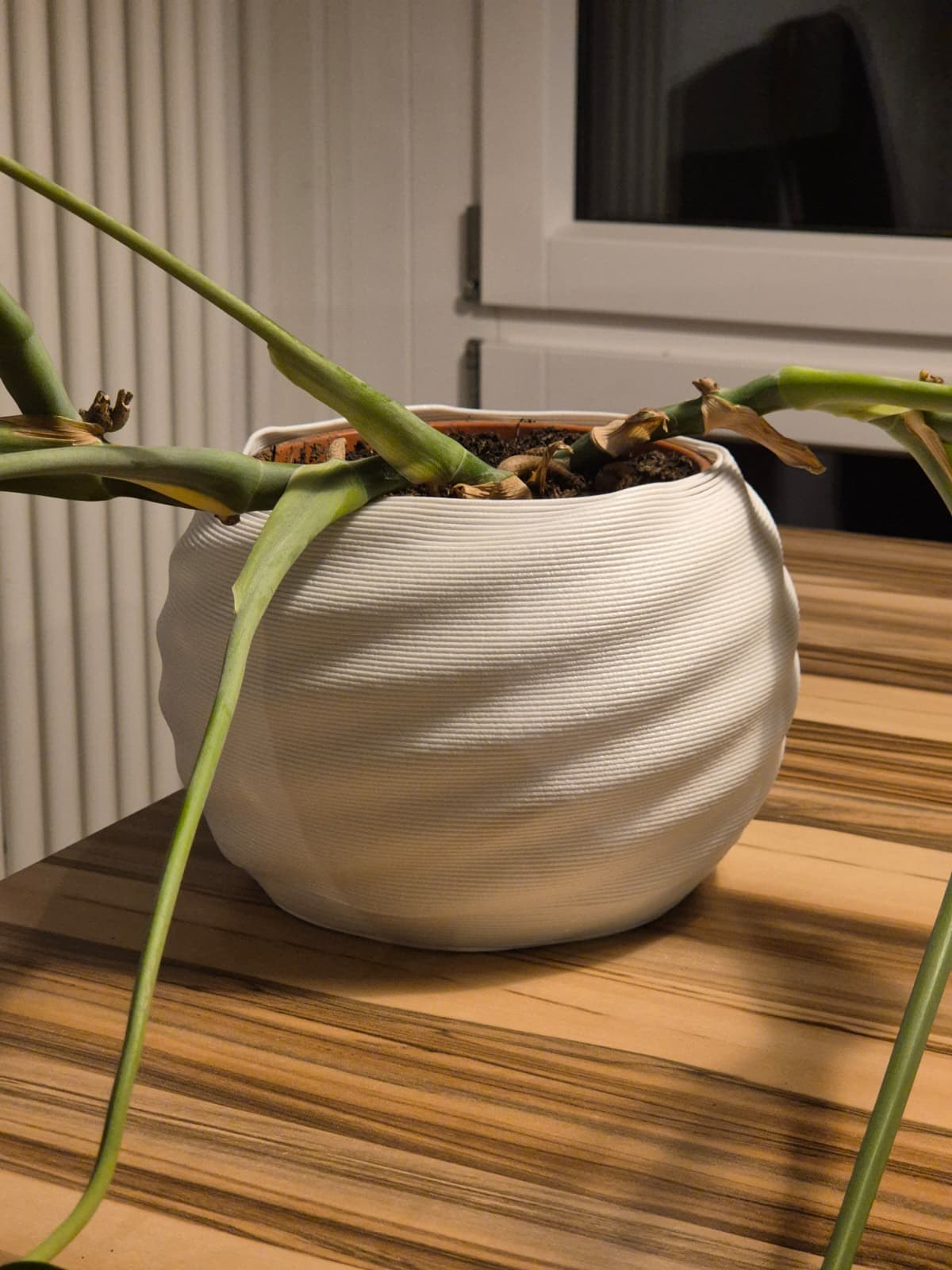
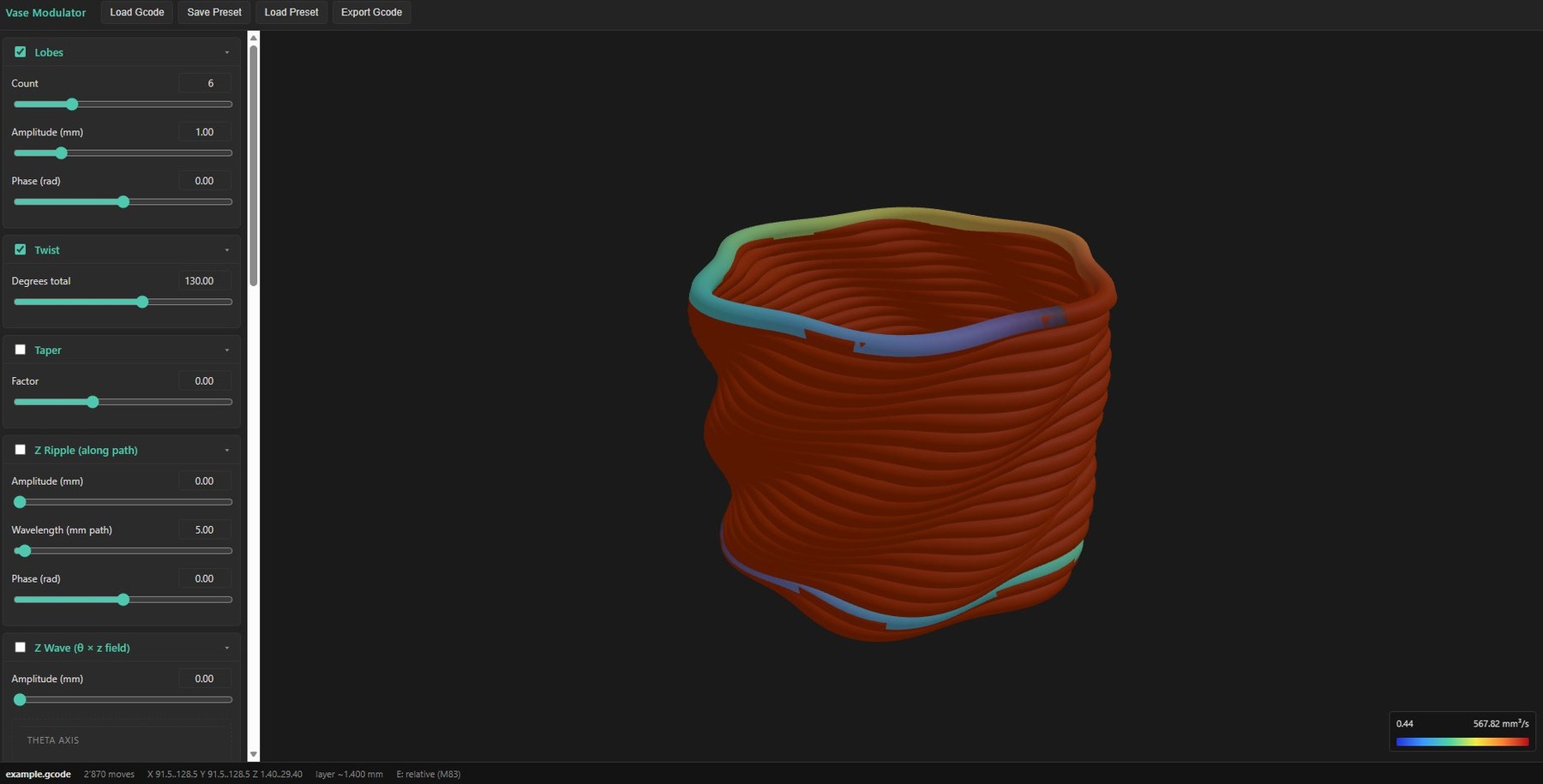
Slicers expose layer-level controls: wall counts, infill density, layer heights. They do not expose the toolpath itself. The G-code Modulator I built works one level deeper: it ingests sliced G-code and applies parametric transforms directly to the X/Y/Z coordinates of every move. Layer lines, which slicers and printer manufacturers usually treat as defects to be hidden, become a deliberate design feature you can shape. The tool is live at gcode.dylanpires.com.


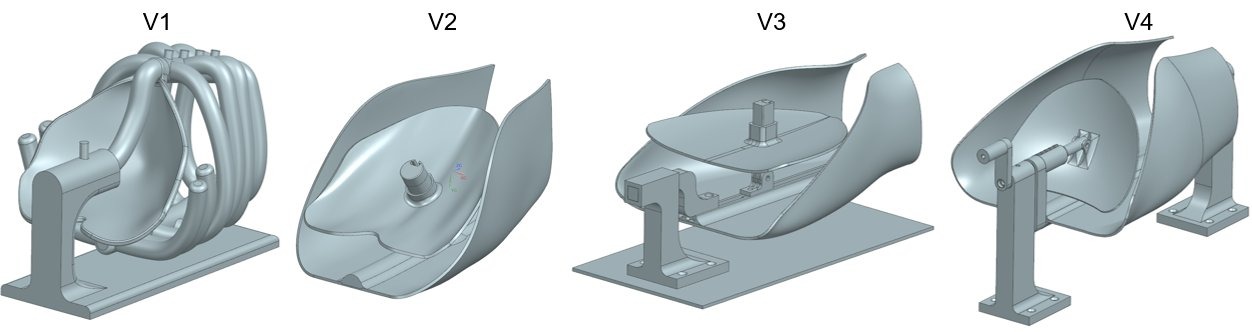
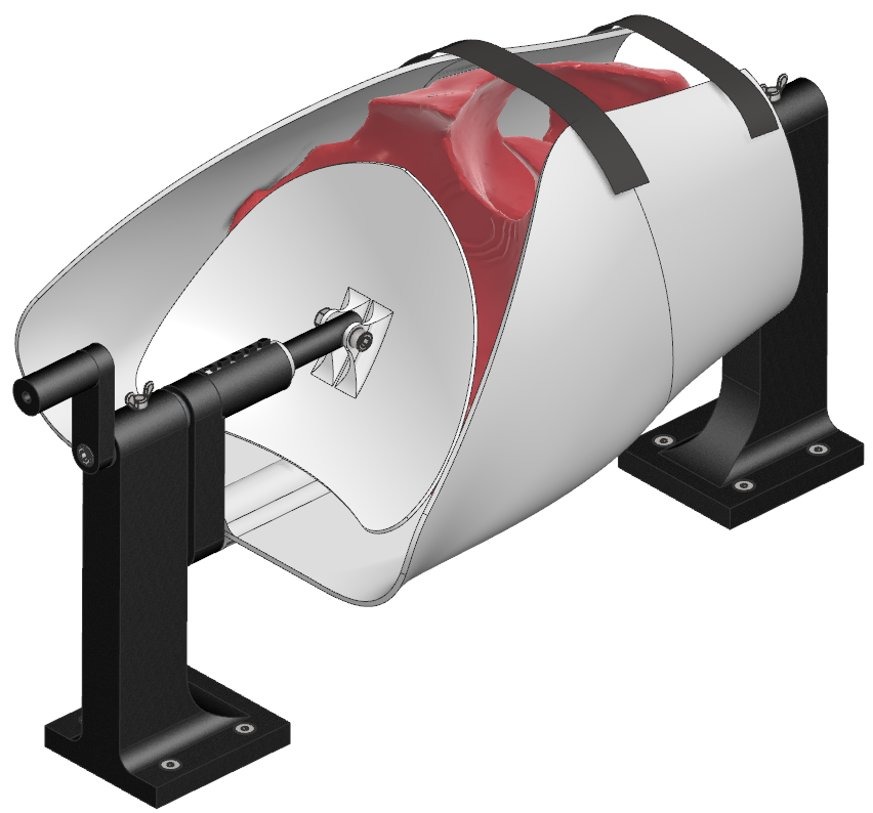
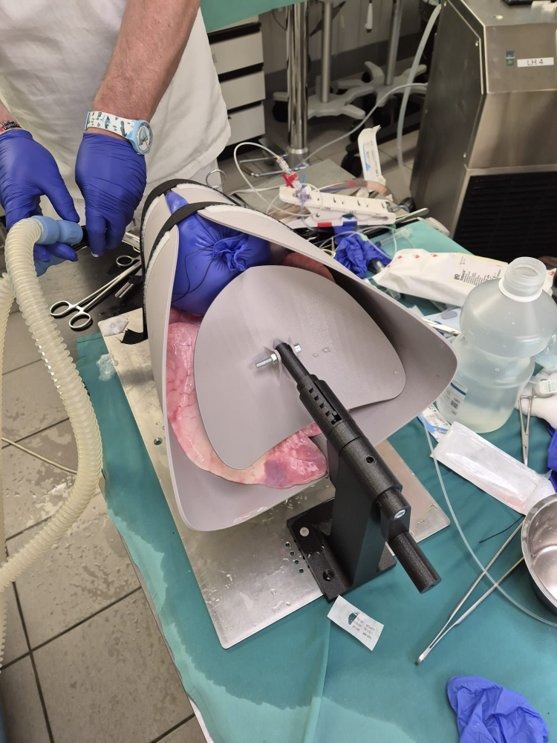
Semester thesis at ETH PDZ. The brief: design a chamber that holds and rotates a donor lung during ex-vivo perfusion, to test whether changing orientation slows degradation. No existing solution to reference, so the design had to be developed from scratch.
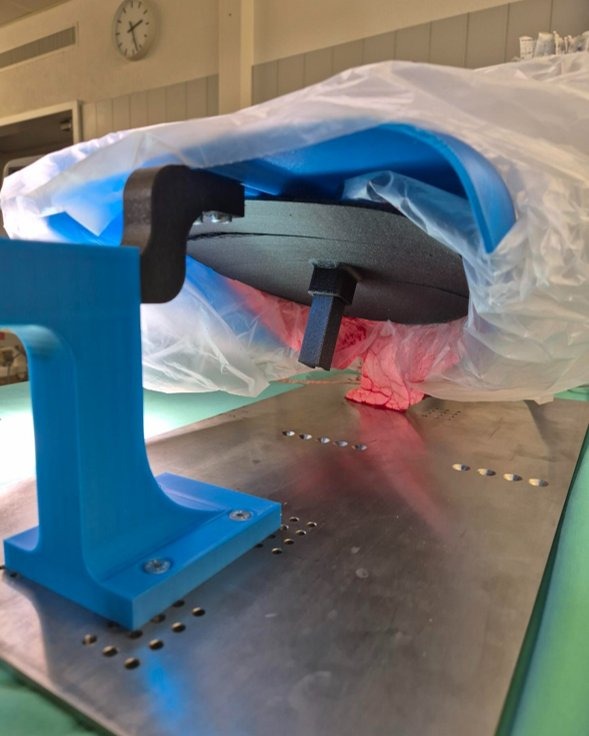
Four FDM-printed iterations, each addressing the failure mode of the previous one. Each version was printed in-house, assembled, and tested before the next geometry was started. The fast print-test-redesign loop was what made it feasible as a semester project. Even at this early proof-of-concept stage, the design was developed with an eye on how it could eventually be manufactured at scale. The fourth iteration held and rotated a real porcine lung during simultaneous ventilation and perfusion, validating the concept.


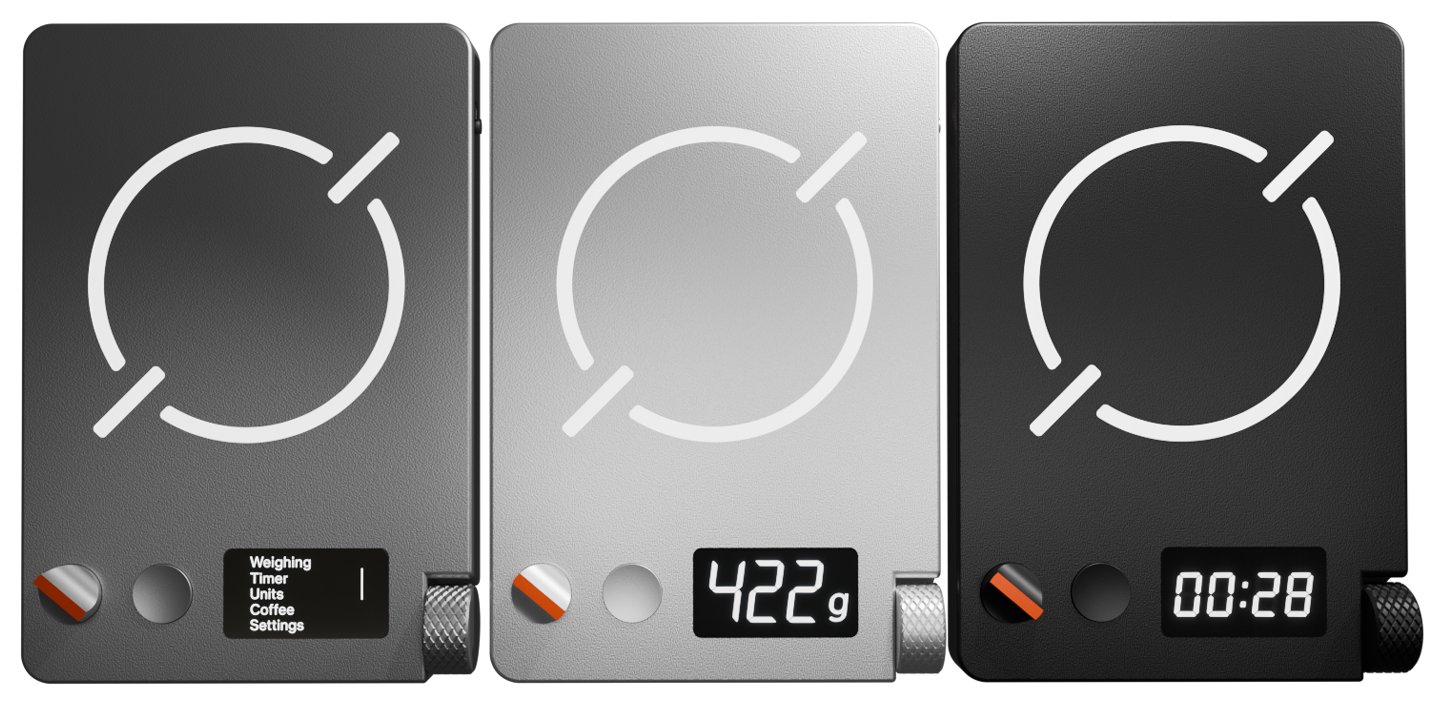
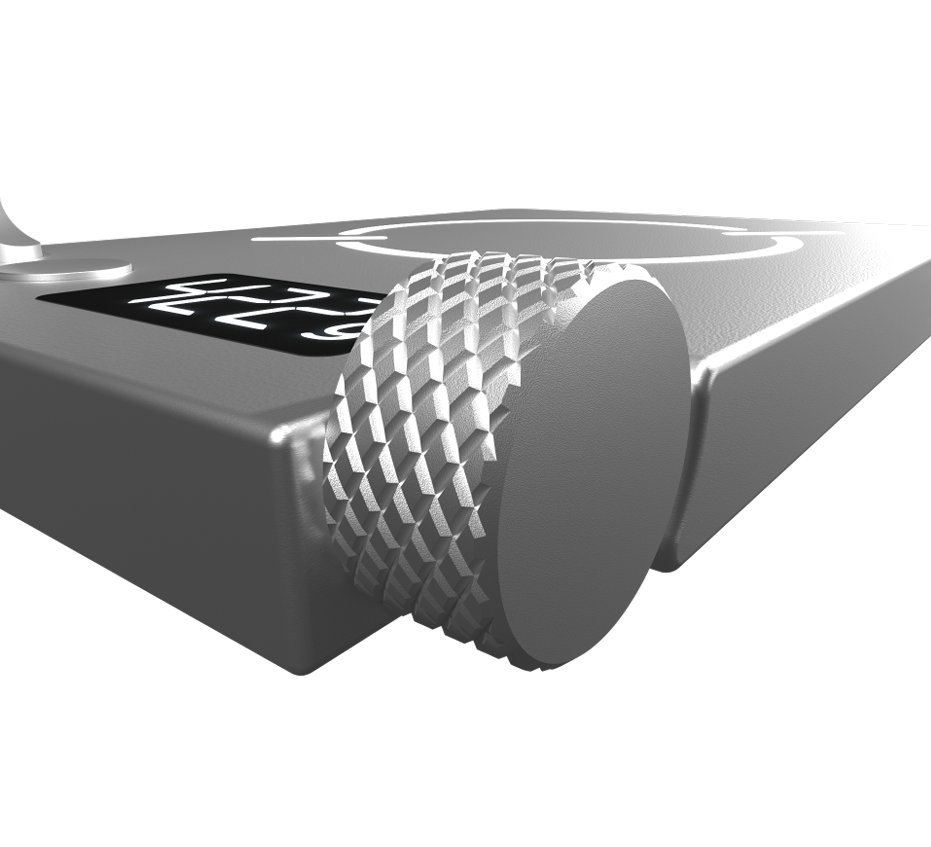
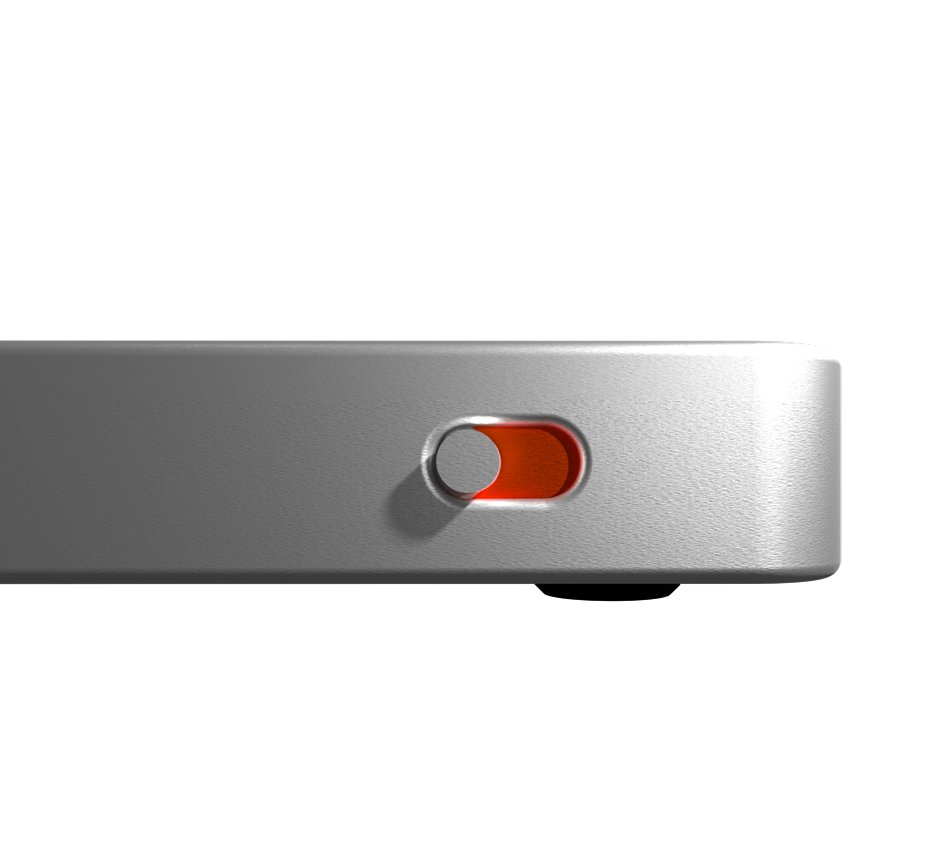
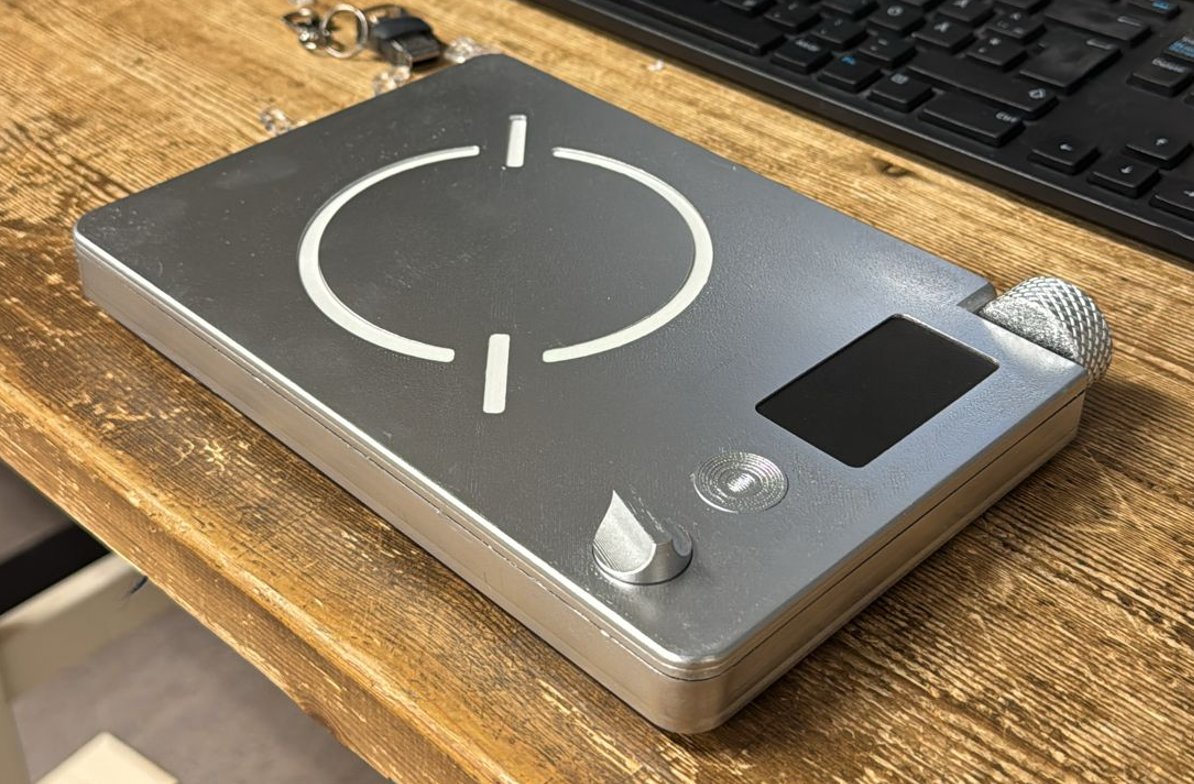
Group project for an industrial design class during my exchange semester at KTH Stockholm. The brief: redesign a kitchen scale inside the visual and functional language of an existing brand. We chose Teenage Engineering, a Swedish design house defined by industrial honesty and precise mechanical detailing, and called the result KS-01 Heavy. After designing in Fusion 360 and visualising in Blender, we built the physical mockup using FDM 3D printing: housing printed at 1:1 scale, then sanded, primed, and finished to read as a real consumer product. The mockup was the most important deliverable, using FDM as the means to produce a tangible, presentable object rather than just a prototyping shortcut.
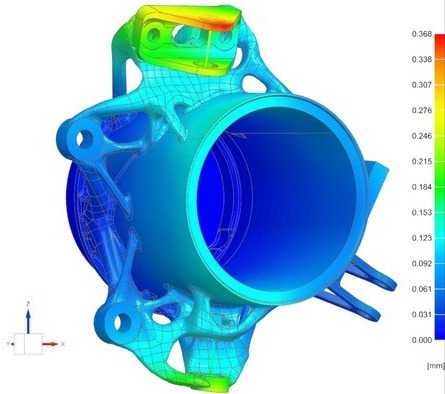
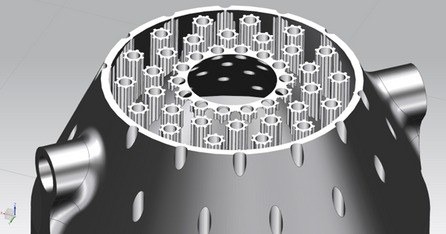
A group project for the ETH "Design for AM" lecture in collaboration with AMZ Racing. The goal: combine two traditionally separate parts, the wheel carrier and the motor cooling jacket, into a single load-bearing LPBF component, with coolant channels routed through the structural geometry. The final design uses an internal lattice structure (not visible in the renders) to lightweight the part. My contribution was the FEM stiffness validation in Siemens NX: confirming that the consolidated, lightweighted carrier still met load-path requirements under cornering load cases.


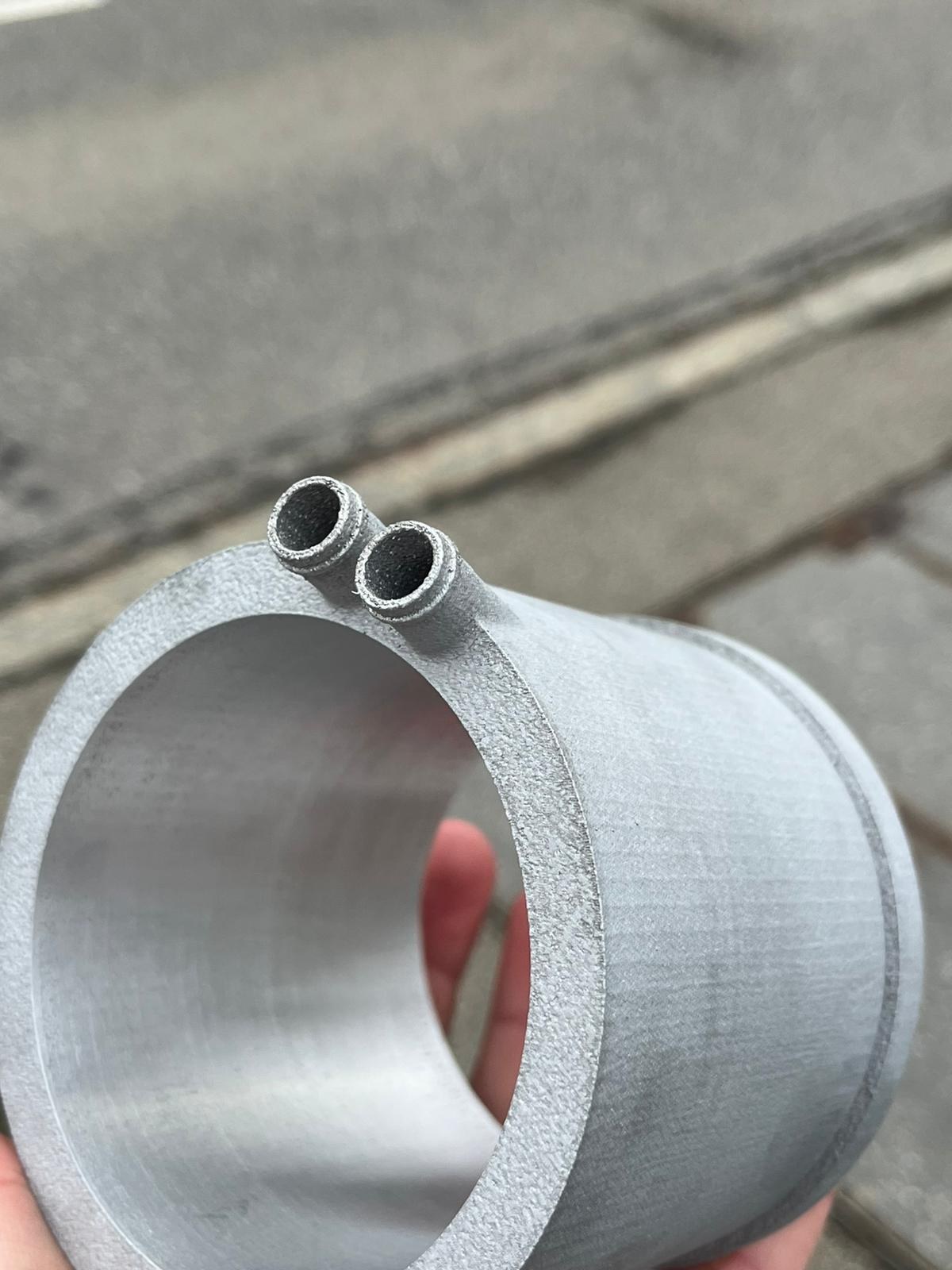
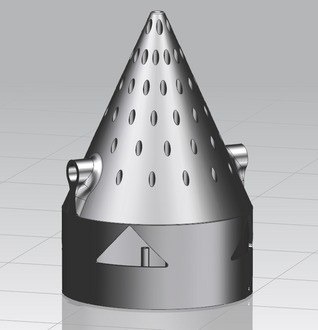
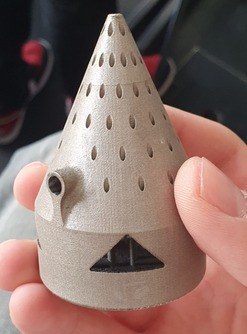
A pop-pop boat is a thermoacoustic toy: it boils a small water charge inside a coil, the steam pushes water out the rear, condensation pulls it back in, and the cycle repeats at the system's natural frequency to produce oscillating thrust.
Group project for the ETH "Design for AM" lecture. The goal was to learn the principles of design for AM by designing the internal coil geometry within LPBF rules: minimum channel diameter, unsupported overhang limits, and build orientation all shaped the final form.


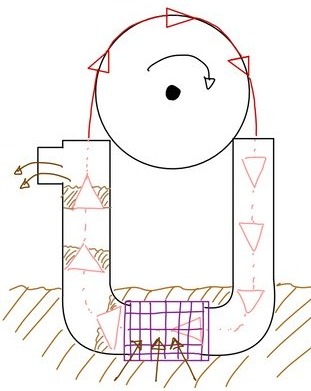
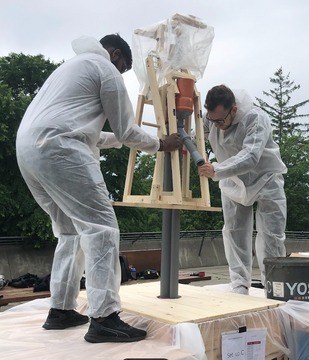
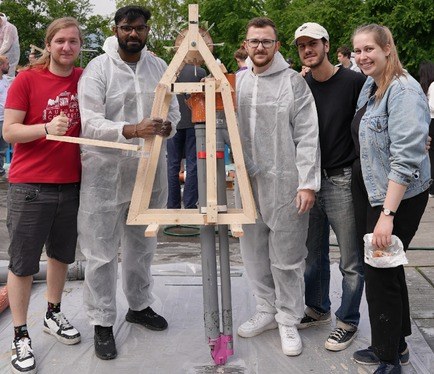
Group project for the ETH "Product Development & Engineering Design" lecture, with the brief to create a device for emptying pit latrines safely, cheaply, and without grid power. Beyond the device itself, the project was a theoretical exercise on the full product lifecycle: development, manufacturing with locally sourced low cost materials, distribution, usage in the field, and disposal, considering every step from extraction through to end of life. As a small team we were all involved across the whole project, from the mechanism design and material selection in Ansys Granta to the hands-on building and testing.


If anything here resonates with what you're doing at On, I would be very glad to talk further.